How to Choose the Right Transload and Crossdock Warehouse Partner
Choosing the right transload and crossdock warehouse partner matters because stronger unloading, staging, verification, and outbound readiness help protect the handoff after container arrival and support cleaner downstream transportation, inventory control, and fulfillment execution.
How to Choose the Right Transload and Crossdock Warehouse Partner
In our previous article, The Handoff Gap: Why Transload and Crossdock Delays Get Worse Downstream, we showed what happens when freight keeps moving, but control does not move with it. The result is not just delay. It is rework, weaker coordination, and growing pressure on every downstream step that was depending on a clean handoff.
By that point, the question is no longer whether the damage is real.
The real question becomes this: who is actually built to stop it from happening again?
That is where many companies make the next mistake.
They already felt the cost of weak execution, but they still evaluate the next warehouse partner like they are only choosing space, labor, or a lower rate. They treat the next decision like a pricing exercise when it is really an operations decision.
That is the trap.
A transload and crossdock warehouse partner does not just receive freight. That partner influences what happens next. They influence readiness. They influence timing. They influence whether the next stage moves forward with structure or starts slipping under pressure.
This is why the right partner matters so much.
The wrong partner gives you an address. The right partner gives you control at the exact point where control is easiest to lose.
And serious operators know the difference.
If your freight is still becoming usable, still being staged, still being prepared for outbound movement, then you are not choosing a warehouse vendor. You are choosing the team that will either protect the handoff or make the next failure more likely.
That is where this article begins.
What the Right Transload and Crossdock Warehouse Partner Actually Does
This is where the conversation has to get more honest.
Many warehouse providers can say they offer transload or crossdock services. That sounds good on paper. But once freight actually arrives, the difference between basic handling and real execution becomes obvious very quickly.
The right partner does more than unload freight and make space.
They help turn container arrival into outbound readiness.
That means the work is not finished when the container doors open. The work is just beginning. Freight may still need to be sorted, palletized, staged, verified, labeled, redirected, or prepared for the next move. If those steps are weak, the downstream operation will feel it. If those steps are controlled, the rest of the flow gets stronger.
That is the real job.
The right transload and crossdock partner helps reduce uncertainty at the exact point where uncertainty usually starts spreading. They bring more discipline to unloading. More structure to staging. More control to palletization, verification, and routing. They help the freight leave that handoff point in a condition the next stage can actually use.
That is a very different value than storage alone.
A weak provider gives you warehouse activity. A strong provider gives you a cleaner transition.
And that difference matters.
Because if the next move still feels improvised after freight reaches the warehouse, the partner is not really solving the problem. They are just housing it for a little longer.
The right partner changes that moment. Freight may arrive under pressure, but it does not have to stay disorganized. With the right execution, the operation starts regaining structure instead of losing more of it.
That is what serious logistics teams should be looking for.
For a broader view of this logistics stage, visit the Transload & Crossdock Warehouse Services guide page.
What Freight Forwarders and Importers Should Evaluate Before Choosing a Transload Warehouse Partner
This is where the article has to become practical.
Once a company understands what weak handoffs cost, the next step is knowing how to evaluate a warehouse partner before the same problems repeat under a different name.
That starts with a simple truth.
Not every warehouse that offers transload or crossdock is built to execute it well.
Some can unload freight. Fewer can convert that freight into something the next stage can use with confidence.
That is the difference freight forwarders and importers need to evaluate.
First, look at unloading discipline. Can the partner handle container intake in a controlled way, or does the operation start getting loose as soon as volume shows up? A warehouse partner should be able to absorb inbound pressure without turning arrival into confusion.
Next, look at palletization and staging control. Once freight is unloaded, can it be organized in a way that supports the next move cleanly? If pallets are inconsistent, staging is unclear, or the operation still feels improvised after intake, the warehouse is not protecting the handoff the way it should.
Then look at inventory visibility and verification discipline. A serious partner does not just move freight around the building. They help make the freight more usable. That means verification, location control, and clearer inventory status matter. If the product is technically in the warehouse but still not truly ready, the operation is already weaker than it should be.
After that, evaluate outbound readiness. Can the partner help prepare freight for domestic transportation, fulfillment, or the next distribution step without creating more rework later? The goal is not just to process the container. The goal is to support what happens after the container.
And finally, look at how the operation performs under pressure. Many warehouse partners look fine when the workload is light. The real test is what happens when timing tightens, volume increases, and the handoff has to hold. That is when execution quality becomes visible.
These are the kinds of questions serious operators ask because they know the wrong warehouse partner does not just create inconvenience. It creates downstream cost.
That is why choosing the right partner is not a matter of checking whether they offer the service. It is a matter of checking whether they can actually protect the next move.
Earlier in this series, we explored the operational downside in The Hidden Cost Behind Transload and Crossdock Warehouse Operations.
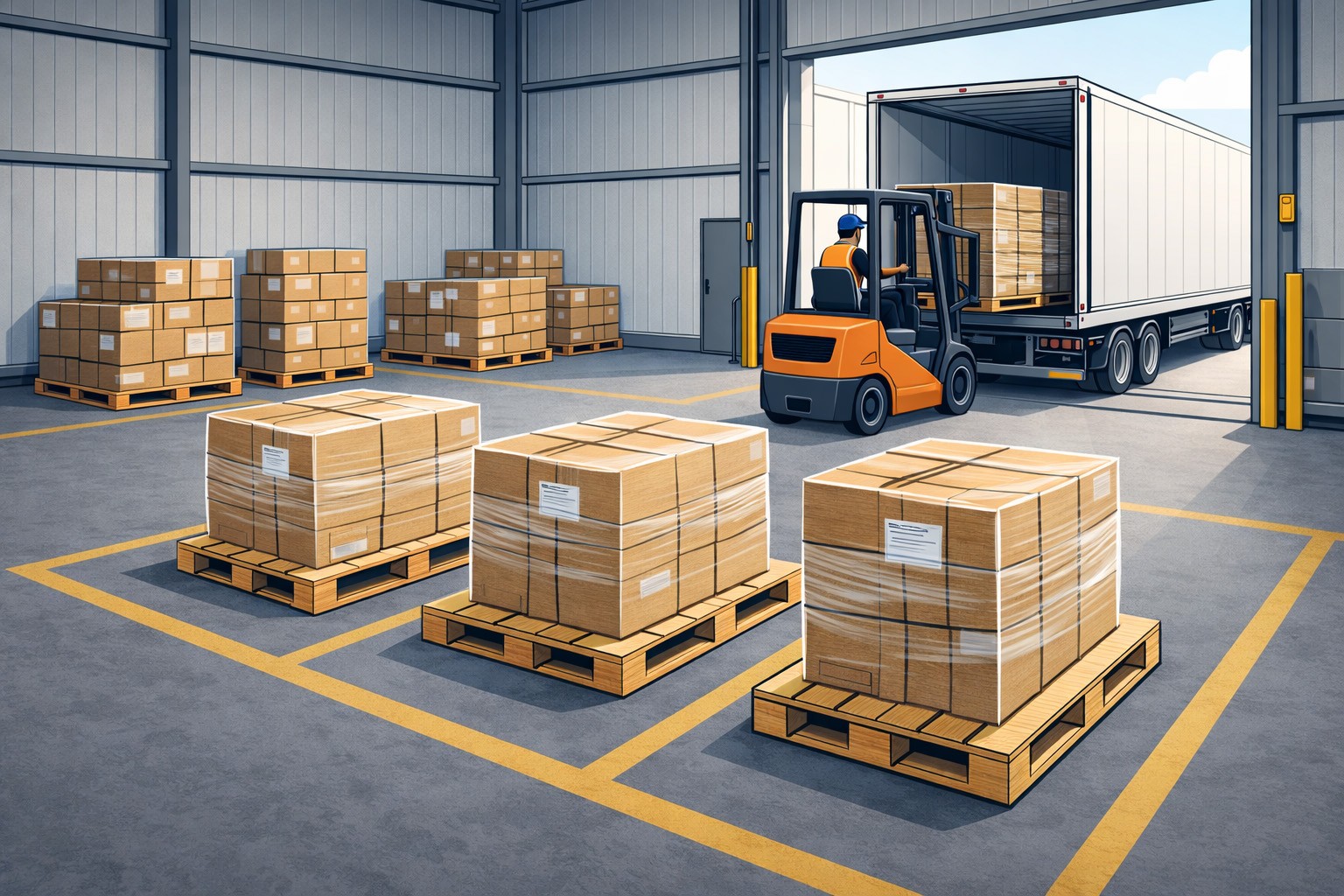
What Better Transload and Crossdock Execution Looks Like After Container Arrival
This is where the picture starts changing.
When the right partner is in place, container arrival no longer feels like the beginning of uncertainty. It feels like the beginning of organized forward movement.
The freight comes in, but it does not just sit there waiting for the next team to figure it out. It gets unloaded with discipline. It gets staged with purpose. It gets verified, palletized, and prepared in a way that supports the next move instead of slowing it down.
That is what better execution looks like.
The warehouse is no longer acting like a holding area. It is acting like a control point.
That changes everything downstream.
Transportation becomes easier to coordinate because outbound readiness is stronger. Fulfillment becomes easier to support because inventory is more usable. Internal teams stop spending so much time compensating for weak handoffs and start working with more clarity around what is ready, what is moving, and what happens next.
That is where momentum starts feeling different.
Instead of freight moving under strain, it starts moving with structure. Instead of rework stacking up in the background, more of the work gets done right the first time. Instead of the next stage absorbing uncertainty, the next stage receives freight in a condition it can actually use.
That is not a small improvement.
That is what happens when the warehouse side is built to support execution, not just activity.
We have seen this difference many times. When the handoff is stronger, the operation gets calmer. Teams spend less time reacting. The business gains more confidence in timing, readiness, and downstream flow. What used to feel fragile starts becoming more predictable.
That is what serious operators are really buying.
Not just unloading. Not just square footage. Not just a building.
They are buying stronger readiness for the next move.
Stronger execution here also supports what happens next inside Warehouse Receiving & Inventory Control, where visibility and inventory discipline continue the handoff.
Why the Right Warehouse Partner Helps Turn Arrival Into Forward Progress
By this point, the difference should be clear.
The right warehouse partner does not just help manage freight after container arrival. They help determine whether the next stage begins with more control or more confusion.
That is why this decision matters so much.
A transload and crossdock handoff can either strengthen the operation or quietly weaken everything that depends on it. It can improve readiness, support cleaner execution, and help the next move happen with more confidence. Or it can leave the business reacting to the same problems under a different warehouse roof.
That is the real choice.
And serious operators should treat it that way.
They are not choosing between one building and another. They are choosing whether the handoff will be protected by stronger execution, better readiness, and a warehouse team that understands what the next stage actually needs.
That is where the right partner changes the story.
Freight arrives. It gets processed with more discipline. It becomes more usable, more organized, and better prepared for what comes next. Transportation gets cleaner support. Fulfillment gets stronger inputs. Internal teams stop absorbing so much avoidable strain. The operation begins moving forward with more structure than friction.
That is what stronger execution looks like.
And that is why the right warehouse partner is not a minor logistics decision. It is an operational advantage.
At EOS, we believe transload and crossdock work should do more than move freight through a building. It should help protect readiness, reduce handoff risk, and support the next move with greater control. That is the standard serious logistics teams should expect.
Because when the warehouse side is built to execute well, freight does not just arrive. It becomes more ready, more visible, and more usable for what comes next. That is how stronger handoffs support better warehouse control, cleaner inventory flow, and more predictable downstream execution.
That is what serious operators are really protecting.
And that is how arrival starts becoming forward progress.
For deeper context on the broader freight conversion stage, return to the Transload & Crossdock Warehouse Services guide.
Frequently Asked Questions About Choosing a Transload and Crossdock Warehouse Partner
How do you choose the right transload and crossdock warehouse partner?
The right transload and crossdock warehouse partner should do more than receive freight. They should be able to unload, stage, verify, organize, and prepare freight for the next move with stronger control. The goal is not just warehouse space, but a partner that improves readiness, reduces rework, and supports cleaner downstream execution.What should freight forwarders look for in a transload warehouse partner?
Freight forwarders should look for unloading discipline, staging control, palletization capability, inventory visibility, and the ability to support outbound readiness after container arrival. A strong partner helps protect the handoff between port movement, warehouse processing, and the next domestic transportation step.What should importers evaluate before choosing a crossdock warehouse partner?
Importers should evaluate whether the warehouse can make freight more usable after arrival. That includes verification, palletization, staging, routing support, and the ability to prepare freight for fulfillment, storage, or domestic distribution without creating more downstream friction.Why is warehouse partner selection so important after container arrival?
Warehouse partner selection matters because container arrival does not mean the freight is ready for what comes next. If the warehouse partner cannot support a clean handoff, the business may face slower staging, rework, weaker readiness, and more downstream pressure across transportation and fulfillment.What is the difference between a warehouse provider and a real execution partner?
A warehouse provider may offer space and basic handling. A real execution partner helps turn arrival into readiness. That means they support the freight transition in a way that improves control, protects timing, and strengthens the next stage of the operation.What capabilities matter most in a transload and crossdock warehouse partner?
The most important capabilities include controlled unloading, palletization, staging discipline, verification accuracy, inventory visibility, outbound preparation, and the ability to execute consistently under pressure. These capabilities determine whether the warehouse protects the handoff or weakens it.How do you know if a warehouse partner can actually execute under pressure?
Execution quality becomes visible when timing tightens, volume increases, or the operation gets more complex. A strong warehouse partner maintains discipline during those moments instead of becoming reactive. If the operation starts feeling improvised under pressure, the partner may not be built for the work the customer actually needs.Why is outbound readiness important when choosing a transload warehouse partner?
Outbound readiness matters because freight is only useful when it is prepared for the next move. A strong transload warehouse partner helps organize, stage, verify, and prepare freight so domestic transportation, fulfillment, or downstream distribution can move forward with less friction.What questions should businesses ask before outsourcing transload and crossdock work?
Businesses should ask how the warehouse handles container unloading, palletization, staging, inventory verification, location control, and outbound preparation. They should also ask how the partner performs during volume spikes, timing pressure, and operational complexity.What does good transload and crossdock execution look like?
Good execution looks like freight being unloaded cleanly, staged with purpose, verified accurately, and prepared for the next move without unnecessary rework. It creates stronger readiness, clearer visibility, and a more dependable transition into transportation, fulfillment, or downstream distribution.Why does the cheapest warehouse partner often create more problems later?
The cheapest warehouse partner may reduce the first invoice, but still leave the business absorbing more rework, weaker staging, slower readiness, and downstream disruption later. A lower rate does not help if the warehouse cannot protect the handoff or support the next move properly.How does the right warehouse partner improve inventory control and downstream execution?
The right warehouse partner improves inventory control by helping freight become more visible, more organized, and more usable after arrival. That stronger handoff supports better warehouse control, cleaner inventory flow, and more predictable downstream transportation and fulfillment.Return to Transload and Crossdock Resources
This completes the current transload and crossdock article series. Return to the pillar guide, or explore the full EOS logistics guide library.
Discover more from Enterprise Order Solutions
Subscribe to get the latest posts sent to your email.