

Estimated read time: 8 min
Ecommerce returns management can become most difficult after a successful selling period, when products come back for different reasons and a seller still needs timely answers about condition, refunds, and inventory. This guide follows a growing business whose office has become an unofficial returns room. It explains why seasonal planning includes both a dependable physical return path and better decisions before and after the sale.
Why Ecommerce Returns Continue After Holiday Sales
Your team worked endlessly to maximize the holiday season. Orders went out. Customers received their purchases. The sales chart finally gave you a reason to celebrate.
Now the returns begin to arrive at the office.
One package is untouched. Another contains a product without its accessories. A third has the right product but a note saying it did not fit the space shown in the listing. The person answering customers is also asking who will open the next box. This is the office workaround from the previous article on 3PL returns processing, only now it has a queue.
Ecommerce returns management is not merely a matter of having enough shelf space for these cartons. Each item may need a different answer. If the return destination and responsibility were never defined, seasonal volume exposes the gap quickly. Your team has to manage both the customer’s question and the physical product that will answer it.
The pressure is not a single bad return. It is the repeated need to decide what happened, what can be reused, and what your business should tell the buyer next.
How Return Reasons Affect Warehouse Handling
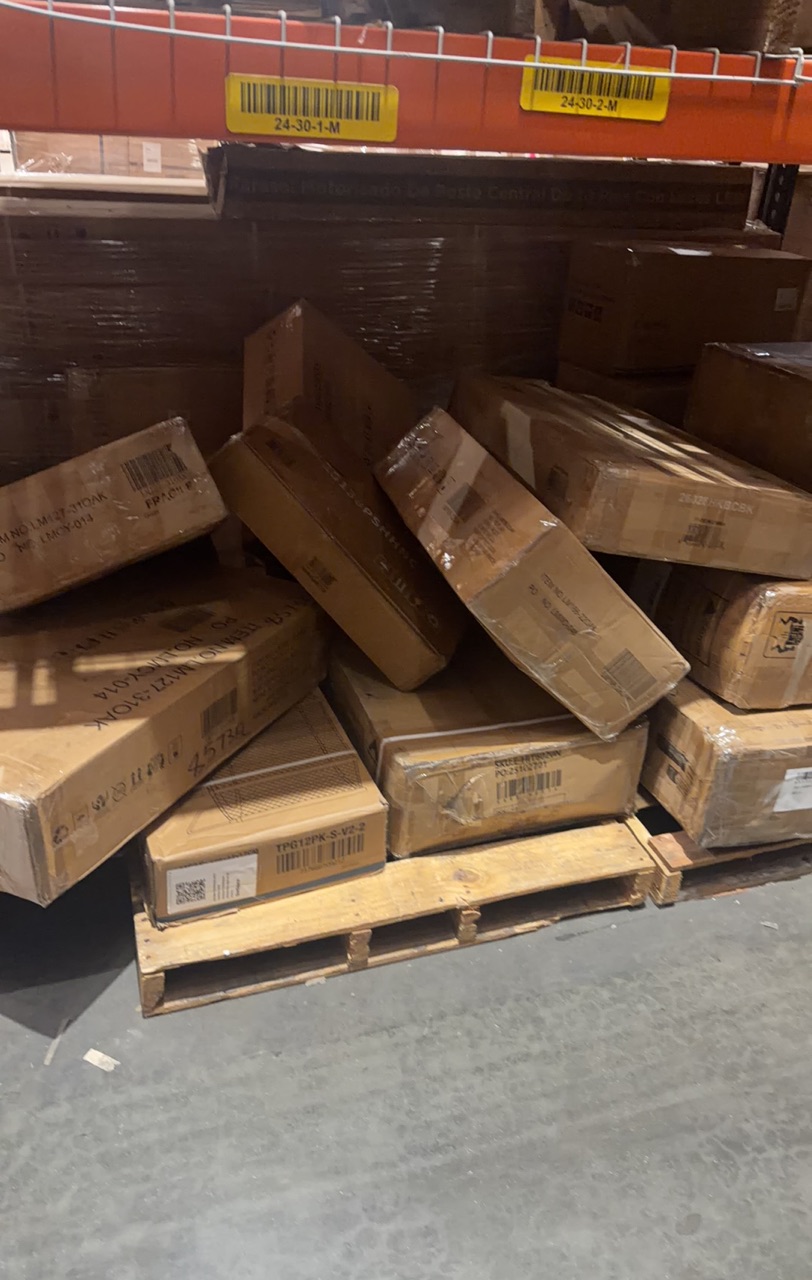
A customer can change their mind about a perfectly good item. Another may report damage. An opened product may be complete and usable, or it may be missing the part that makes it useful. A box can even contain an item that does not match the order record.
If the team treats every return as an identical parcel, it may lose the detail needed for the next decision. A damaged product should not quietly become available stock. A complete, saleable item should not sit indefinitely because nobody recorded that it was reviewed. A disputed condition needs enough reliable information for the seller to respond through the correct customer channel.
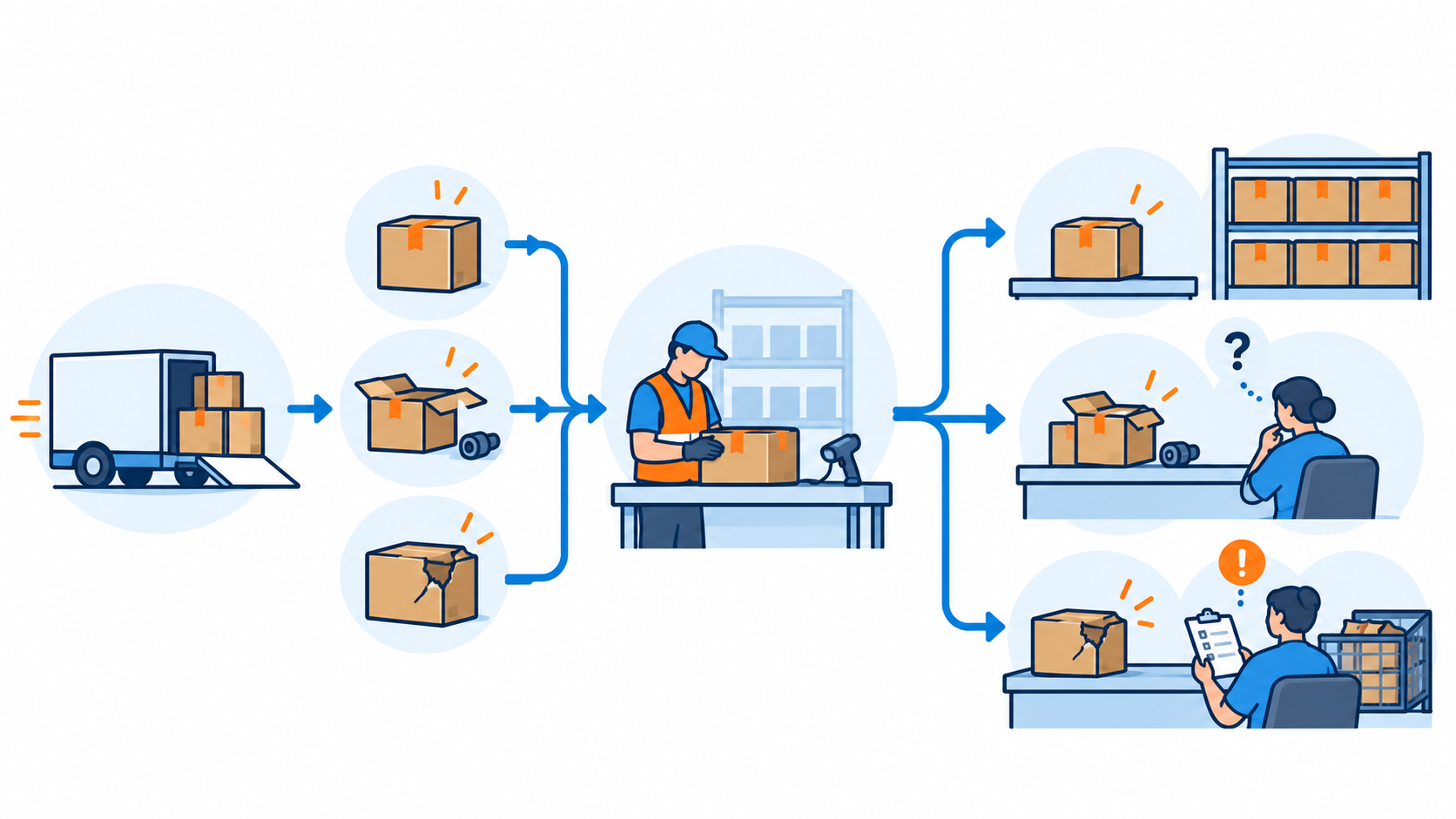
That does not mean every return requires a lengthy investigation. It means the operating model must distinguish a straightforward receipt from an exception. The rules can be simple, but they have to exist before the office desk fills up.
The familiar warehouse cost is space and labor. The harder cost for this business is uncertainty: customer support, inventory planning, and the person approving the next action all need the same trustworthy account of what came back.
How Product Listings Can Reduce Avoidable Returns
It is tempting to see returns as something that begins only after the purchase. Some begin earlier, when the buyer forms an expectation that the product cannot meet.
Think about the item that did not fit. Was the dimension easy to find? Did the listing show the product in a way that made its scale clear? Did the buyer have enough information about compatibility, assembly, or what was included in the box? Those questions do not shift responsibility onto the customer. They give the seller a chance to learn whether a preventable surprise is repeating.
Not every return can be prevented by better product information. People change plans, delivery damage happens, and some issues are not visible until a product is opened. Still, a pattern of the same return reason is useful feedback. Your team can improve a listing or instructions while the returns operation handles the items that continue to come back.
That is a division of work worth protecting. The seller owns the product promise and the refund decision within marketplace rules. A returns operation needs to establish the physical facts and handle the product under the agreed process. Neither side can do the other’s job by watching a dashboard alone.
What Customer Service Needs to Know About Return Status
A shopper asks about a refund. Your team can see a carrier delivery scan. Does that prove the returned item is the correct product, in the expected condition, and ready to restock? No. It proves that a package reached an address.
Your customer-facing response may have to follow the marketplace’s policy and timing, regardless of when your internal inspection is complete. Some platforms can authorize returns or take refund actions under their own rules. The business should not assume that it controls every timing decision simply because it owns the inventory.
The better question is what your people can know at each step. Has the parcel arrived at the right location? Has anyone matched it to the order? Is condition still unknown, or has a reviewer recorded it? Is the product held, available for another sale, or waiting for a decision? Clear status will not remove every policy constraint, but it keeps your team from answering from guesswork.
This is another place where the earlier EOS systems journey becomes practical. OMS and ERP information can help the business make decisions only when the physical return has been accounted for. An attractive status screen cannot inspect a carton sitting in the wrong building.
How to Plan for the Holiday Returns Window
For U.S. Amazon sellers, there is a concrete planning example this year. Amazon’s 2026 extended holiday returns announcement says eligible purchases made from November 1 through December 31, 2026 can generally be returned through January 31, 2027. Apple brand products have a January 15 exception, and ordinary eligibility conditions remain in place. Other channels may have different rules.
That policy does not tell you how many returns your business will receive. It does tell you that a November sale can create work in the new year. Planning only for the week of Black Friday leaves the return path out of the capacity conversation.
It also changes the staffing question. A team sized for an ordinary week may struggle when many returns arrive together; a team built around the busiest period may be more than the business needs for the rest of the year. Ask how receiving, review, and exception work can expand for the peak and ease back when volume falls, whether you use your own people or a logistics partner.
Before the next campaign, trace one ordinary return and one difficult one. Check the address customers will use, the person or provider that receives the package, the information customer service will see, and what happens when an item cannot be resold. Ask whether the office is still part of that chain by design or by accident.
This is not yet a recommendation to replace your 3PL. The right next step may be to define the missing service with your current partner, add a dedicated returns provider, or choose a more complete logistics arrangement. The following article will give you a way to compare those options without being distracted by a promise that someone will simply “take returns.”
Frequently Asked Questions
Why does ecommerce returns management get harder after a sales peak?
Returns may continue after the orders that generated them have shipped. More parcels, different return reasons, customer questions, and uncertain inventory status can overlap, especially when the business has no defined receiving and review process.
Do all holiday returns require the same warehouse handling?
No. A complete, saleable item and an opened, damaged, incomplete, or incorrect item may need different review and next steps. The business needs enough physical information to distinguish a straightforward return from an exception.
Can clearer product listings reduce returns?
They can reduce some preventable surprises. Accurate dimensions, compatibility details, images, and instructions help buyers understand what they are ordering. They cannot eliminate changes of mind, damage, or every issue found after opening a product.
What should customer service know while a return is under review?
Customer service should know whether the parcel was delivered, physically received, matched to an order, and reviewed, or whether a decision is still pending. These are different statuses. A delivery scan alone does not confirm the product’s condition or tell the seller whether it can be resold. Share only the status the team can verify, while following the marketplace’s return and refund rules.
Who controls refunds when a marketplace order is returned?
The seller’s refund decisions operate within the marketplace’s current rules and the account setup. A platform may automatically authorize or process some actions. The physical returns team should provide dependable status and condition information; it should not be presumed to override marketplace policy.
How should an Amazon seller prepare for the 2026 holiday return window?
Confirm the applicable policy and eligibility for the products sold, then plan the return destination, receiving capacity, status updates, and exception decisions into January 2027. Amazon’s announced U.S. window generally extends returns for eligible November-December 2026 purchases through January 31, 2027, with an earlier Apple brand exception. This is a planning window, not a forecast of your return volume.
What should a seller examine before changing its returns provider?
Map one ordinary return and one exception from buyer instruction to final inventory status. Identify which steps the current provider can own, which remain with the seller, and whether a dedicated returns service or combined fulfillment arrangement better fits the business.
Continue to Article 3
Follow the next part of the 3PL returns journey.
Discover more from Enterprise Order Solutions
Subscribe to get the latest posts sent to your email.

1 Comment
3PL Returns Processing: A Return Address Is Not Enough
November 19, 2026[…] Read Article 2 → […]